Raleigh officials open to public funding for MLB stadium
Triangle Business Journal | 06.17.2026
The possibility that sports magnate Marc Lasry’s recent investment in the Carolina Courage could be just the start has invigorated the longshot push for Major League Baseball in Raleigh.
Carolina Hurricanes owner Tom Dundon has long voiced his support for an MLB franchise in Raleigh, and the addition of yet another potential backer in Lasry could bolster the case.
With the Canes winning the Stanley Cup, the national spotlight is on Raleigh. And Dundon said that fact bolsters the region’s standing in terms of landing an expansion team whenever MLB does decide to expand.
But whether it’s one or two billionaires backing the effort, public dollars will likely be needed to build a potential billion-dollar baseball stadium. For example, Truist Park, home of the Atlanta Braves, opened in 2017 and cost more than $600 million — including nearly $400 million in public subsidies. The venue is part of The Battery development, which had an overall price tag of more than $1 billion.
But that project sits well outside the core of Atlanta. A stadium in Raleigh could go near the Lenovo Center and Carter-Finley Stadium, where there is developable land available.
TBJ reached out to elected officials in Raleigh and Wake County to see where they stand on public funding for a stadium. Below are their responses (not all officials provided a response).
Raleigh Mayor Janet Cowell: “Yes, I would expect both private and public dollars would be necessary to fund MLB in Raleigh. Many cities with professional teams do provide public funding.”

Raleigh City Council member at-large Jonathan Lambert-Melton: “Yes, many professional stadiums have public funding. An MLB team would play 80+ games at home, which would provide a significant economic boost and hospitality tax revenue that would offset the public investment.”
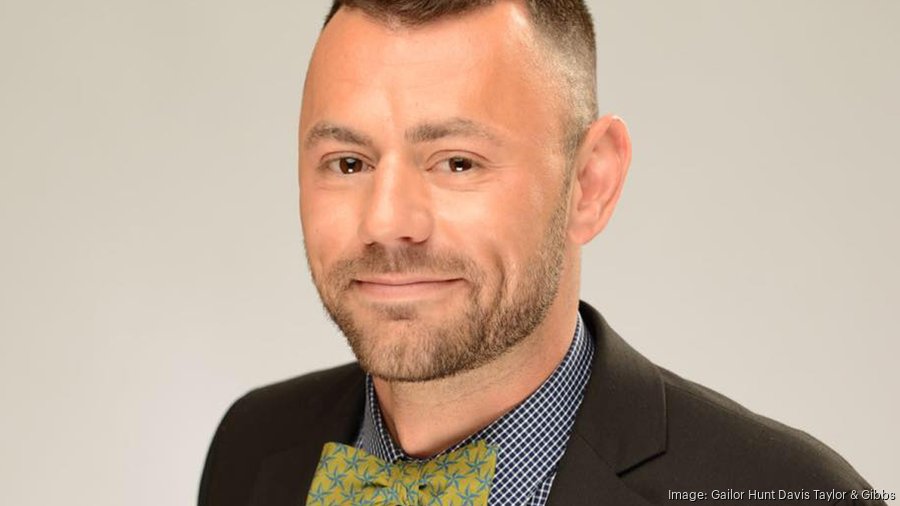
Raleigh City Council member at-large Stormie Forte: “I would support a public-private partnership.”
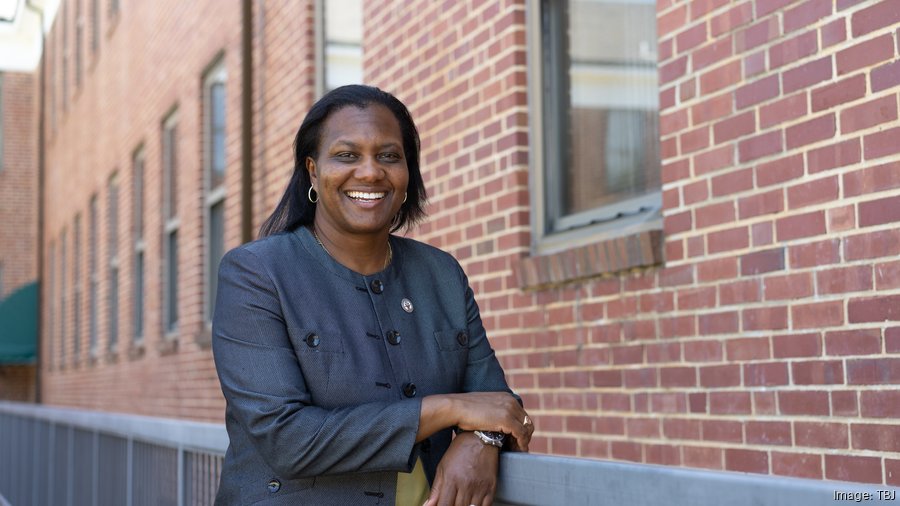
Raleigh City Council member Mitchell Silver: “Public-private partnerships offer enormous economic development benefits. The 81 home games would raise Raleigh’s visibility and bring in significant hospitality tax revenue. The Lenovo Center is a great example of a successful public-private partnership.”
Mitchell said he would support public funding for a stadium.
Raleigh City Council members Megan Patton, Corey Branch, Jane Harrison and Christina Jones did not respond to TBJ’s inquires.
Wake County commissioners were each provided with an opportunity to comment for this story. But only commission Chair Don Mial sent a statement, which didn’t indicate his stance on the use of public dollars for a stadium.
“Wake County would make an excellent home for a Major League Baseball team,” Mial said in an email. “While MLB has not yet revealed the process by which communities could bid for an expansion team, we want to be part of the conversation moving forward, and we’re interested to see where it takes us.”
The public funding debate
Dennis Coates, a sports economist and professor at the University of Maryland, Baltimore County, said publicly-funded stadiums rarely work out for the taxpayers. He coauthored a report on the impact of professional sports franchises and venues on local economies that described the practice of subsidizing sports facilities as “not justified as worthwhile public investments.”
“If they want it, put up their money,” he said of Dundon and Lasry. “Go ahead, put a stadium, put out a bid for the team, but don’t ask the citizens of the state of North Carolina or Wake County to foot the bill. … The evidence is that it doesn’t generate any extra jobs.”
His analysis found that between 1970 and 2020 state and local governments devoted $33 billion in public funds to construct major league sporting venues in the U.S. and Canada, with limited economic returns.
“There’s roughly 30 years of research that shows attracting a team does nothing,” he said, adding that while a city may get tourist fans for a game, it exports its own fans for away games, creating a negligible effect.
“To think that’s going to generate a lot of economic impact in your community, you have to think people just have money sitting around in their savings accounts that they’re going to pull out and spend in those venues, money that they’ve never spent before,” he said.
But one vital thing a new stadium and surrounding development can do is increase a city and county’s tax base, which is what happened with The Battery in Atlanta — from 2014 to 2025, the taxable value of the area grew from $5 million to $644 million.
There are those who think the Canes’ success bolsters Raleigh’s argument that a team could deliver here. Economist Mike Walden out of North Carolina State University has projected an MLB team could bring in $300 million in new economic activity each year.
But his analysis made no assumptions on public financing, Walden said.
“The preferred approach — in my opinion — is to have private financing of both the team and the stadium,” Walden said. “This is the approach in Las Vegas, soon to be home to the (Athletics of MLB, who are moving from Oakland), where private financing is the major source of funds for the stadium.”
Walden said the Canes’ success could “motivate many to dig into the region’s success story …”
Despite the prevailing belief that Raleigh’s MLB hopes are a long shot, the local effort appears to be moving forward.
The group pushing for a Major League Baseball franchise in Raleigh recently changed its social media branding, moving from MLB Raleigh to MLB North Carolina on Facebook. Lou Pascucci, one of the organizers behind MLB Raleigh, said the branding shift is about making a Raleigh franchise “North Carolina’s team.”